

In an era of rising operational costs and pressing sustainability goals, facility managers are scrutinizing every kilowatt-hour. Often overlooked, non-powered roof ventilators present one of the most compelling Return on Investment (ROI) stories in building management. These simple devices, operating on wind and thermal buoyancy alone, deliver continuous value from day one.
The financial logic is straightforward. By continuously extracting hot, stale air from the building envelope, non-powered ventilators significantly reduce the heat load on the structure. This directly translates to lower energy consumption for air conditioning systems during cooling seasons. In temperate months, they can facilitate complete "free cooling," allowing mechanical systems to remain off for extended periods. The result is a direct and measurable reduction in utility bills.
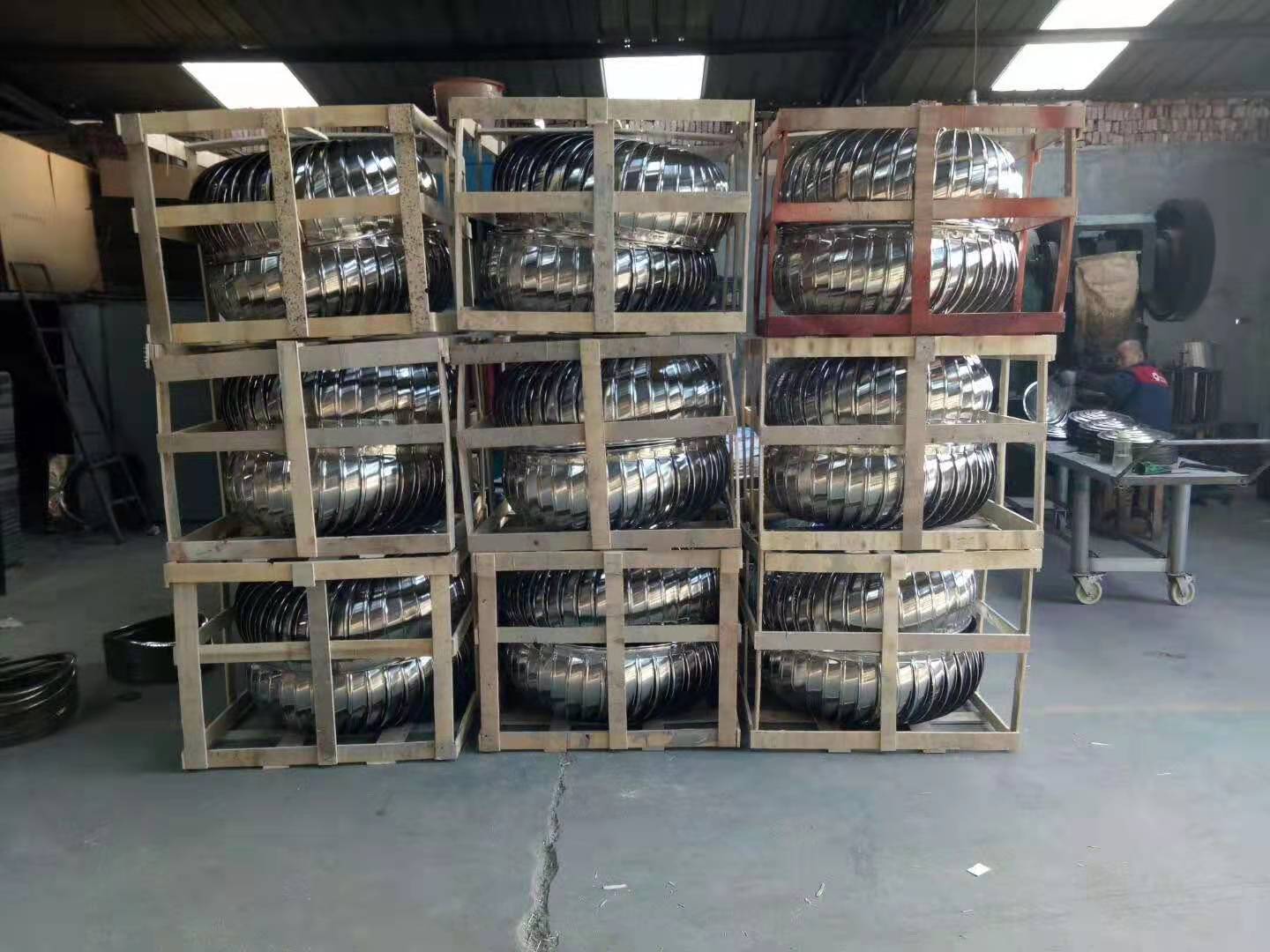
The ROI calculation extends beyond energy. Consider maintenance costs. With no motors, electrical connections, or moving parts beyond a precision-balanced turbine or ball, maintenance is virtually zero. There are no breakdowns, no replacement parts, and no service contracts, unlike complex powered fans which incur recurring electrical maintenance and repair expenses.
Furthermore, non-powered ventilators protect the building asset itself. By preventing moisture accumulation, they combat condensation, mold growth, and corrosion of structural steel and roofing components. This proactive protection avoids costly repairs and extends the lifespan of the roof and critical building infrastructure, an intangible but significant financial benefit.
The payback period is remarkably short, often ranging from 6 to 18 months depending on climate and energy costs. After that, it's pure annual savings. In a world of complex, expensive green tech, the non-powered ventilator stands out for its elegant simplicity, proven reliability, and undeniable financial wisdom. It's not an expense; it's a high-yield investment in operational efficiency and building longevity.